L-Theanine Dosage Guide: How Much to Take for Anxiety and Focus

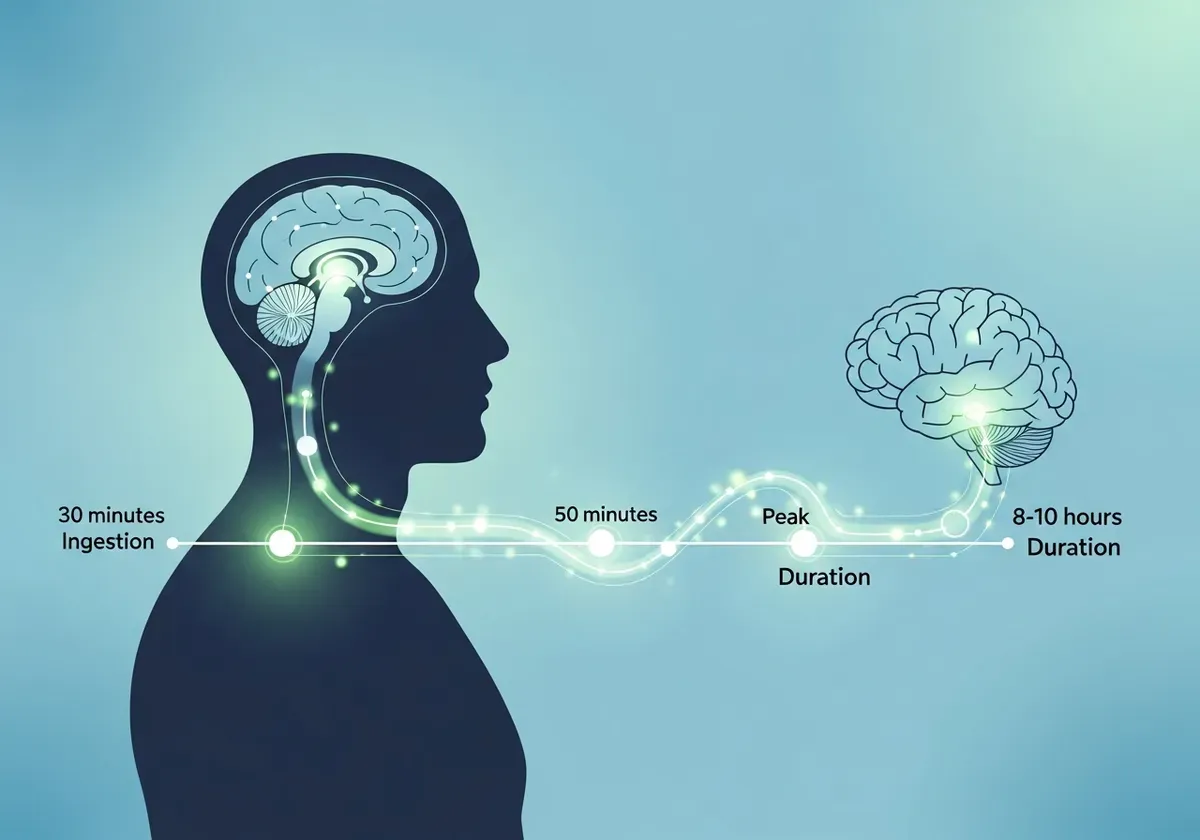
Clinical research supports L-theanine doses between 200-400mg daily for anxiety reduction and cognitive focus, with effects typically appearing within 30-60 minutes of ingestion and lasting 8-10 hours. Most adults should start at 100mg to assess tolerance, then adjust upward based on response, while those combining L-theanine with caffeine for focus often use a 2:1 ratio (200mg L-theanine with 100mg caffeine). This dosing framework comes from multiple double-blind trials conducted between 2008-2021, though individual responses vary based on body weight, metabolism, and specific goals.
Table of Contents
- Understanding L-Theanine Dosage: What the Research Says
- Clinical Research Dosage Ranges
- How L-Theanine Works in Your Body
- Starting Your L-Theanine Journey: A Safe Dosing Protocol
- Week 1-2: Starting Low at 100mg
- Weeks 3-4: Adjusting to Your Optimal Dose
- Beyond 200mg: When Higher Doses May Help
- Dosage Strategies for Anxiety vs. Focus
- Anxiety Relief: Dosing and Timing
- Cognitive Focus and Attention: The Caffeine Connection
- Managing Both Anxiety and Focus Concerns
- Important Safety Considerations for Older Adults
- Medication and Supplement Interactions
- When to Talk to Your Doctor
- Possible Side Effects at Different Doses
- Choosing Quality Supplements and Optimizing Your Results
- What to Look for in L-Theanine Supplements
- Consistency and Timing for Maximum Effectiveness
Understanding L-Theanine Dosage: What the Research Says
L-theanine is an amino acid found naturally in tea leaves that modulates brain chemistry to promote relaxation without sedation. The compound crosses the blood-brain barrier and influences neurotransmitter activity within your central nervous system (according to a 2016 neuropharmacology review). Understanding how dosage affects these mechanisms helps you choose an effective amount while avoiding unnecessary excess.

The therapeutic window for L-theanine appears relatively wide compared to many psychoactive compounds. Studies haven't identified a narrow dose range where benefits sharply drop off, which gives you flexibility in finding your optimal amount. That said, research does show dose-dependent effects, meaning higher amounts within the studied range tend to produce more pronounced outcomes.
Clinical Research Dosage Ranges
Human trials have tested L-theanine at doses ranging from 50mg to 400mg daily, with the majority of anxiety and cognitive studies clustering around 200mg (according to a 2019 systematic review published in Nutrients). A 2021 randomized controlled trial used 200mg of Suntheanine daily for four weeks and found improvements in sleep quality with no statistically significant adverse effects compared to placebo. For acute stress reduction, a 2017 study demonstrated that 200mg reduced both heart rate and salivary immunoglobulin A responses when administered one hour before a stressful task.
The duration of clinical trials matters when interpreting these findings. Most anxiety-focused studies run 4-8 weeks, suggesting you shouldn't expect maximum benefits after just a few days. Cognitive performance studies often use single-dose protocols to measure immediate effects, which is why timing becomes crucial for focus applications.
Safety data from these trials consistently shows L-theanine is well-tolerated across the 100-400mg range. No serious adverse events have been reported in published research at these doses, though individual sensitivity varies. The compound doesn't appear to accumulate dangerously in tissues even with daily use over several months.
How L-Theanine Works in Your Body
L-theanine modulates several neurotransmitter systems simultaneously, which explains its unique "calm focus" effect. The compound increases GABA levels in the brain, GABA being the primary inhibitory neurotransmitter that reduces neuronal excitability. It also influences dopamine and serotonin concentrations, both involved in mood regulation and attention (according to the 2019 systematic review).
After oral administration, L-theanine appears in plasma within 30 minutes and reaches peak concentration around 50 minutes post-ingestion. The half-life ranges from 1-3 hours depending on individual metabolism, though subjective effects often last longer, possibly due to downstream neurochemical changes that persist after blood levels decline. This absorption profile explains why many users take L-theanine 30-60 minutes before situations requiring calm focus.
The compound also increases alpha brain wave activity, which correlates with relaxed alertness in EEG studies. This neurological signature distinguishes L-theanine from sedatives (which increase delta waves) and stimulants (which increase beta waves). In practice, this means you get anxiety reduction without drowsiness or cognitive impairment.
Starting Your L-Theanine Journey: A Safe Dosing Protocol
Beginning with conservative doses allows you to identify your minimum effective amount while monitoring for any unexpected reactions. This approach matters especially if you take other medications or supplements, since even well-tolerated compounds can interact in unpredictable ways when combined. A gradual titration schedule also helps you distinguish L-theanine's effects from placebo responses or lifestyle changes happening simultaneously.
L-Theanine Dosage Titration Schedule for New Users
| Time Period | Daily Dose | Timing | Purpose | What to Monitor |
|---|---|---|---|---|
| Week 1-2 | 100mg | Morning with food | Establish baseline and assess tolerance | Subtle relaxation, focus changes, any unexpected reactions |
| Week 3-4 | 100-200mg (adjust based on response) | Morning or 30-60 min before focus tasks | Find optimal dose for your goals | Anxiety levels, focus quality, sleep impact |
| Week 5+ | 200-400mg (if needed) | Once daily or split dosing | Achieve therapeutic effects documented in research | Consistency of benefits, any tolerance development |
Once you've established your baseline tolerance through gradual titration, the following dosages target specific outcomes for anxiety and cognitive enhancement.
L-Theanine Dosage Ranges by Clinical Application
| Application | Typical Dose Range | Frequency | Expected Timeline | Key Research Finding |
|---|---|---|---|---|
| Anxiety Reduction | 200-400mg daily | Once daily | 4-8 weeks for full effects | 2021 RCT: 200mg improved sleep quality with no adverse effects |
| Acute Stress Reduction | 200mg | Single dose | Effects within 30-60 minutes | 2017 study: 200mg reduced heart rate and stress biomarkers |
| Cognitive Focus | 100-200mg | Single dose or daily | 30-60 minutes onset | Often combined with caffeine at 2:1 ratio |
| Initial Assessment (Beginners) | 100mg | Once daily | Week 1-2 baseline | Allows tolerance assessment before increasing |
| Optimal Range (Most Adults) | 200mg | Once daily | Consistent daily use | 2019 systematic review: majority of studies clustered at 200mg |
Week 1-2: Starting Low at 100mg
Take 100mg once daily, preferably in the morning with food to establish a consistent baseline. At this dose, you might notice subtle relaxation or slightly improved focus, though some people require higher amounts to perceive clear benefits. Track your sleep quality, daytime anxiety levels, and any digestive responses in a simple log, even notes on your phone work fine.
Pay attention to timing of effects. Most people report feeling something within 45-60 minutes if they're going to respond at this dose. If you notice no change after two weeks of consistent use, that's normal and indicates you'll likely need the standard research-supported dose of 200mg.
Weeks 3-4: Adjusting to Your Optimal Dose
If 100mg produced noticeable but insufficient benefits, increase to 200mg daily. This dose aligns with the majority of clinical research and represents the minimum amount shown to reliably reduce anxiety markers in controlled trials. Take it at the same time each day to maintain stable effects.
You should recognize if the current dose is working by comparing your tracked symptoms to baseline. Look for consistent patterns across multiple days rather than single-day fluctuations. If 100mg eliminated your target symptoms, there's no reason to increase, more isn't automatically better when you've achieved your goal.
Stay at 200mg for at least two weeks before considering further increases. The full anxiolytic effects may take several weeks to develop as your neurotransmitter systems adjust to consistent supplementation.
Beyond 200mg: When Higher Doses May Help
Doses of 300-400mg appear in research for moderate to severe anxiety or when combining multiple goals like anxiety reduction plus sleep improvement. However, you should consult a healthcare provider before exceeding 200mg daily, particularly if you're over 60 or taking medications that affect neurotransmitter systems.
The upper limit studied in clinical trials is 400mg daily. Going beyond this amount lacks safety data and probably won't enhance benefits proportionally. If 400mg doesn't produce desired effects after 6-8 weeks, L-theanine may not be the right intervention for your specific neurochemistry.
Dosage Strategies for Anxiety vs. Focus
Your primary goal should determine both dose and timing. Anxiety management typically benefits from consistent daily dosing to maintain stable neurotransmitter modulation, while focus enhancement often works better with strategic timing around cognitively demanding tasks. Some people address both concerns with split-dose protocols.
Anxiety Relief: Dosing and Timing
For generalized anxiety, take 200-400mg once daily in the morning. This schedule maintains relatively stable L-theanine levels throughout your waking hours given the compound's half-life. A 2017 study showing reduced stress responses used 200mg administered one hour before stress exposure, but chronic anxiety typically responds better to daily dosing rather than as-needed use.
Some practitioners recommend splitting the dose, 100mg morning and 100mg afternoon, though research hasn't directly compared split versus single dosing for anxiety. The split approach might provide more consistent coverage if you experience afternoon anxiety spikes. Expect gradual improvements over 4-8 weeks rather than immediate elimination of symptoms.
Cognitive Focus and Attention: The Caffeine Connection
The most researched protocol for cognitive enhancement combines L-theanine with caffeine at approximately a 2:1 ratio. A typical combination uses 200mg L-theanine with 100mg caffeine (roughly one cup of coffee). A 2008 study published in Biological Psychology found this combination improved attention task performance and increased alpha brain wave activity more than either compound alone.
Take this combination 30-45 minutes before you need peak focus. The L-theanine reduces caffeine's jittery side effects while preserving alertness, creating what users describe as smooth, sustained concentration. If you're sensitive to caffeine, start with 50mg caffeine and 100mg L-theanine, then adjust based on response.
Managing Both Anxiety and Focus Concerns
A split-dosing strategy works well when addressing both goals: 200mg L-theanine with 100mg caffeine in the morning for focus, then 100-200mg L-theanine alone in the afternoon for anxiety management without stimulation. This keeps your total daily L-theanine at 300-400mg, within the researched safety range.
Monitor your total daily intake to avoid oversupplementing. Well, there's no evidence that exceeding 400mg daily provides additional benefits, and you're introducing unnecessary variables that make it harder to identify what's actually working. Keep your protocol simple enough that you can adjust individual components based on clear feedback.
Important Safety Considerations for Older Adults
L-theanine's safety profile is favorable, but interactions with medications and age-related metabolic changes require attention. Adults over 60 often take multiple medications and may process supplements differently than younger populations, making individualized assessment crucial before starting any new compound that affects brain chemistry.
Medication and Supplement Interactions
L-theanine may potentiate the effects of antihypertensive medications since it can lower blood pressure modestly. If you take blood pressure medication, monitor your readings more frequently when starting L-theanine and report any significant drops to your doctor. The compound's GABA-enhancing effects could theoretically interact with sedatives, benzodiazepines, or sleep medications, though clinical reports of problematic interactions are rare.
SSRIs and other antidepressants warrant caution since L-theanine affects serotonin levels. While the 2019 systematic review didn't identify dangerous interactions, the combination hasn't been extensively studied in clinical trials. Discuss L-theanine with your prescribing physician before combining it with psychiatric medications. The same applies to other calming supplements like magnesium, valerian, or kava, stacking multiple GABAergic compounds increases the risk of excessive sedation.
Honestly, the safest approach is full disclosure. Bring a list of all medications and supplements to your doctor or pharmacist and ask specifically about L-theanine interactions. They can check for contraindications based on your complete health profile.
When to Talk to Your Doctor
Consult your healthcare provider before starting L-theanine if you take three or more daily medications, have been diagnosed with hypotension (low blood pressure), or have upcoming surgery scheduled. Anesthesiologists need to know about all supplements that affect neurotransmitter systems. If you're currently being treated for anxiety or depression, your mental health provider should approve adding L-theanine to ensure it aligns with your treatment plan.
Possible Side Effects at Different Doses
Headaches and mild digestive upset occur in a small percentage of users, typically at doses above 200mg. These effects usually resolve within a few days as your body adjusts. Dizziness or lightheadedness may indicate excessive blood pressure reduction, if this occurs, reduce your dose by half and monitor symptoms.
If you experience persistent side effects at even 100mg, L-theanine may not suit your physiology. Discontinue use and consult your healthcare provider. Severe reactions are extremely rare in published literature but report any concerning symptoms promptly.
Choosing Quality Supplements and Optimizing Your Results
Supplement quality varies significantly between manufacturers, affecting both safety and effectiveness. Third-party testing, proper labeling, and understanding different L-theanine forms help you select products that actually contain what they claim at the doses you need.
What to Look for in L-Theanine Supplements
Suntheanine is a patented form of L-theanine produced through enzymatic synthesis that's been used in most clinical studies. Generic L-theanine may work similarly but lacks the same research backing. Check labels for third-party testing certification from organizations like NSF International or USP, which verify that products contain stated ingredients at listed doses without harmful contaminants.
Capsules offer precise dosing, while powders provide flexibility for adjusting amounts or mixing with beverages. If you're starting with 100mg and plan to titrate upward, capsules in 100mg or 200mg increments make adjustments straightforward. Avoid proprietary blends that don't disclose exact L-theanine amounts, you can't dose accurately without knowing what you're taking.
"Third-party testing is essential because the FDA doesn't approve dietary supplements before they reach the market," says Dr. Pieter Cohen, Associate Professor of Medicine at Harvard Medical School and supplement safety researcher. "Independent certification helps verify that what's on the label matches what's in the bottle."
Look for products manufactured in facilities following Good Manufacturing Practices (GMP). This certification indicates quality control processes are in place to ensure consistency between batches. Store L-theanine in a cool, dry place away from direct sunlight to maintain potency.
Consistency and Timing for Maximum Effectiveness
Take L-theanine at the same time daily to establish stable routines and make effects easier to assess. For anxiety management, morning dosing works well. For focus enhancement with caffeine, time your dose 30-45 minutes before cognitively demanding work.
Track your response systematically for at least four weeks before concluding whether L-theanine works for you. Note dosage, timing, subjective effects, and any side effects. This data helps you and your healthcare provider make informed decisions about continuing, adjusting, or discontinuing supplementation.
I started taking 200 mg L-theanine with my 9 AM coffee every weekday for a month, logging effects in a simple spreadsheet—calm/jittery rating, focus quality, any afternoon crashes. By week three, the pattern became obvious: consistent morning dosing eliminated my usual 11 AM caffeine jitters, but taking it sporadically on an 'as-needed' basis during week one produced almost no noticeable effect. That four-week tracking window revealed what single-dose experiments never could—my sweet spot was 150 mg, not the 200 mg I'd started with, and timing mattered more than I'd expected.
If you don't notice benefits after eight weeks at 200-400mg daily, L-theanine may not address your specific neurochemistry needs. Not every supplement works for every person, and that's okay. Other evidence-based approaches for anxiety and focus exist if L-theanine doesn't prove effective for you.
Related Articles
- L-Theanine: Complete Guide to Benefits, Dosage & Side Effects
- L-Theanine and Caffeine Stack: The Perfect Focus Combination
- L-Theanine Side Effects: Safety Profile and Contraindications
- Nootropic Supplements: What Are They and How Do They Work?
- Nootropic Brain Supplements: Top Options for Cognitive Function
- Best Nootropic Energy Supplements: Focus Without Jitters
Frequently Asked Questions
Is 100mg enough to feel the effects of L-theanine, or do I need to start higher?
Starting at 100mg is the recommended safe approach to assess your individual tolerance, though clinical benefits typically appear in the 200-400mg range. Many people do notice subtle calming effects at 100mg, but you may need to increase to 200mg within 2-4 weeks to experience more pronounced anxiety reduction or focus improvements.
How long does it take to feel L-theanine working?
L-theanine typically produces noticeable effects within 30-60 minutes of ingestion and lasts 8-10 hours. Peak blood concentration occurs around 50 minutes after taking it, which is why timing your dose 30-60 minutes before a stressful event or work session is most effective.
Can I take L-theanine every day, or should I cycle it?
Yes, L-theanine is safe for daily use based on clinical research showing no dangerous accumulation in tissues even with months of consistent use. You don't need to cycle it, though some people prefer taking it only on days when they need anxiety relief or focus support.
What's the best L-theanine to caffeine ratio for focus?
The research-backed ratio is 2:1 L-theanine to caffeine, such as 200mg L-theanine with 100mg caffeine. This combination leverages L-theanine's calming properties to smooth out caffeine's jittery effects while enhancing sustained focus and attention.
Are there any side effects from taking too much L-theanine?
Clinical trials found no serious adverse effects in the 100-400mg range, and L-theanine is well-tolerated overall. Individual sensitivity varies, so if you experience unusual symptoms, reduce your dose and consult your doctor, especially if you're taking medications that affect neurotransmitters.
Should older adults take a different L-theanine dose?
The article addresses this concern in its safety section—older adults should consult their doctor before starting L-theanine, particularly if taking medications, as potential interactions exist. Starting at the standard 100mg and adjusting slowly is still recommended, but professional guidance is important for this population.
How do I know if I should take L-theanine for anxiety or focus?
L-theanine works for both, but timing and pairing differ: for anxiety, take it 30-60 minutes before a stressful situation; for focus, combine it with caffeine at a 2:1 ratio. You can also use it for both concerns simultaneously—the same dose addresses both anxiety reduction and cognitive performance.
What should I look for when buying an L-theanine supplement?
The article recommends checking for quality indicators in supplements, though specific details are in the final section. Look for reputable brands, verified third-party testing, and preferably Suntheanine (the branded form used in clinical trials) to ensure you're getting a standardized, effective product.